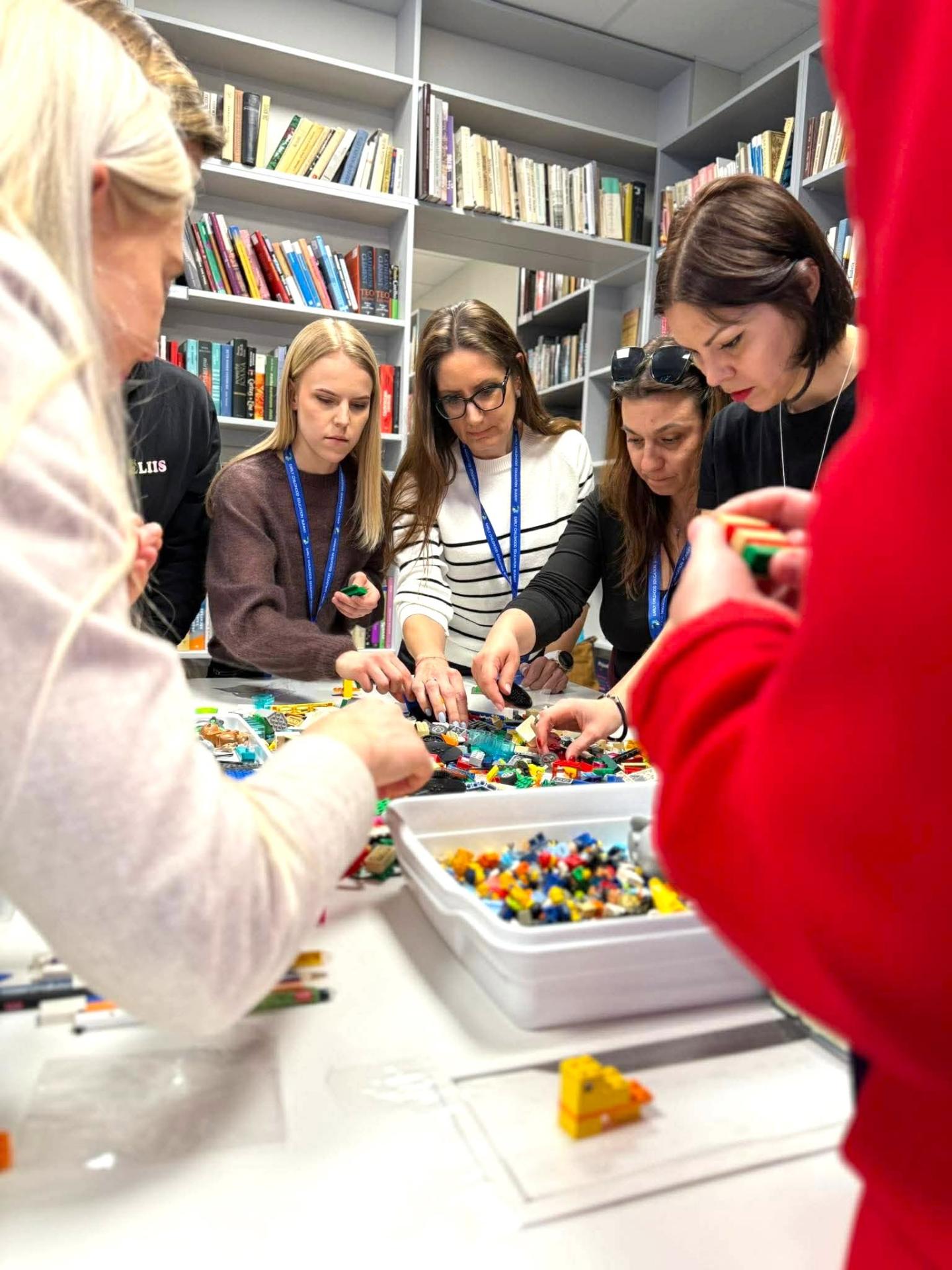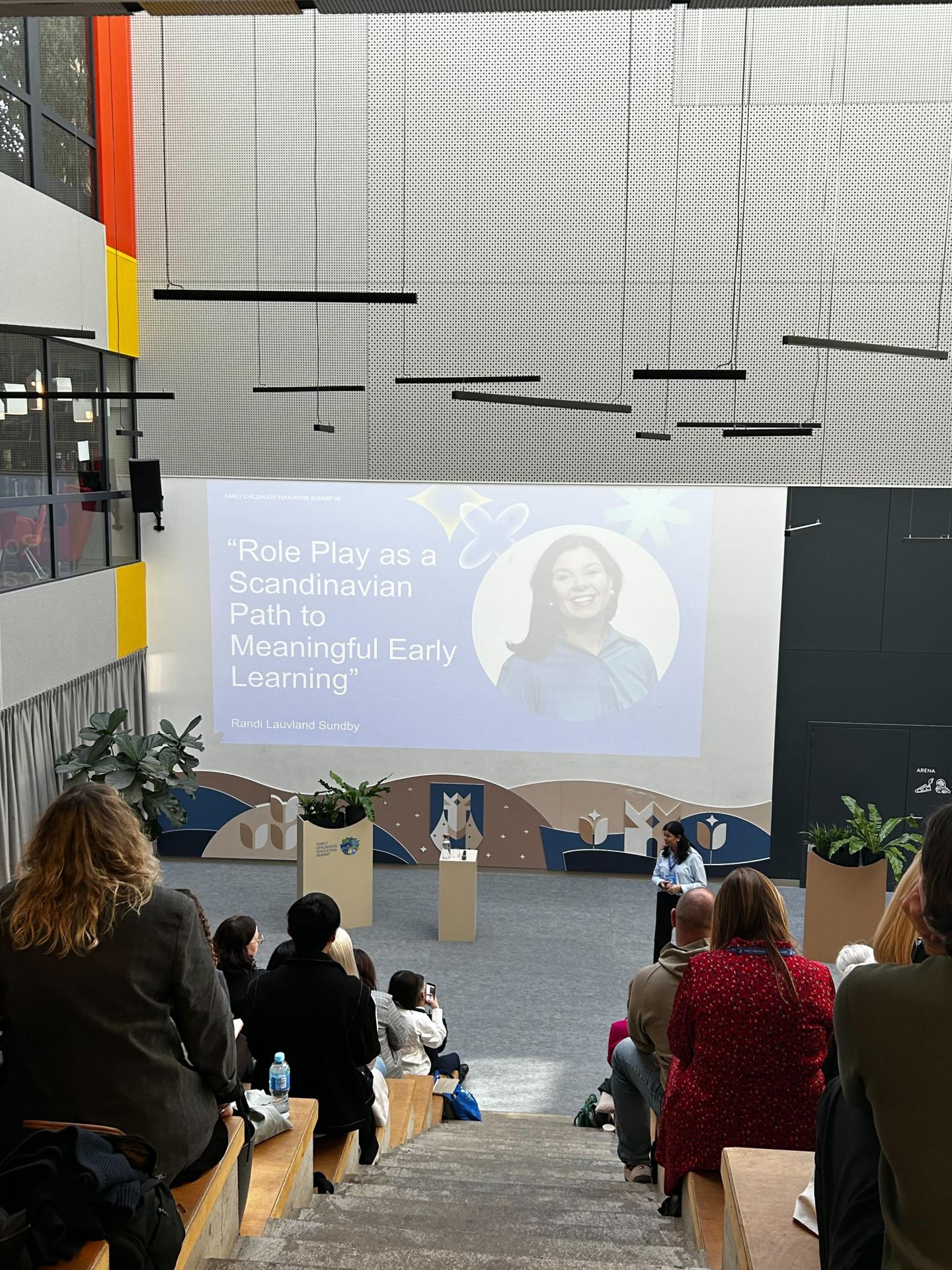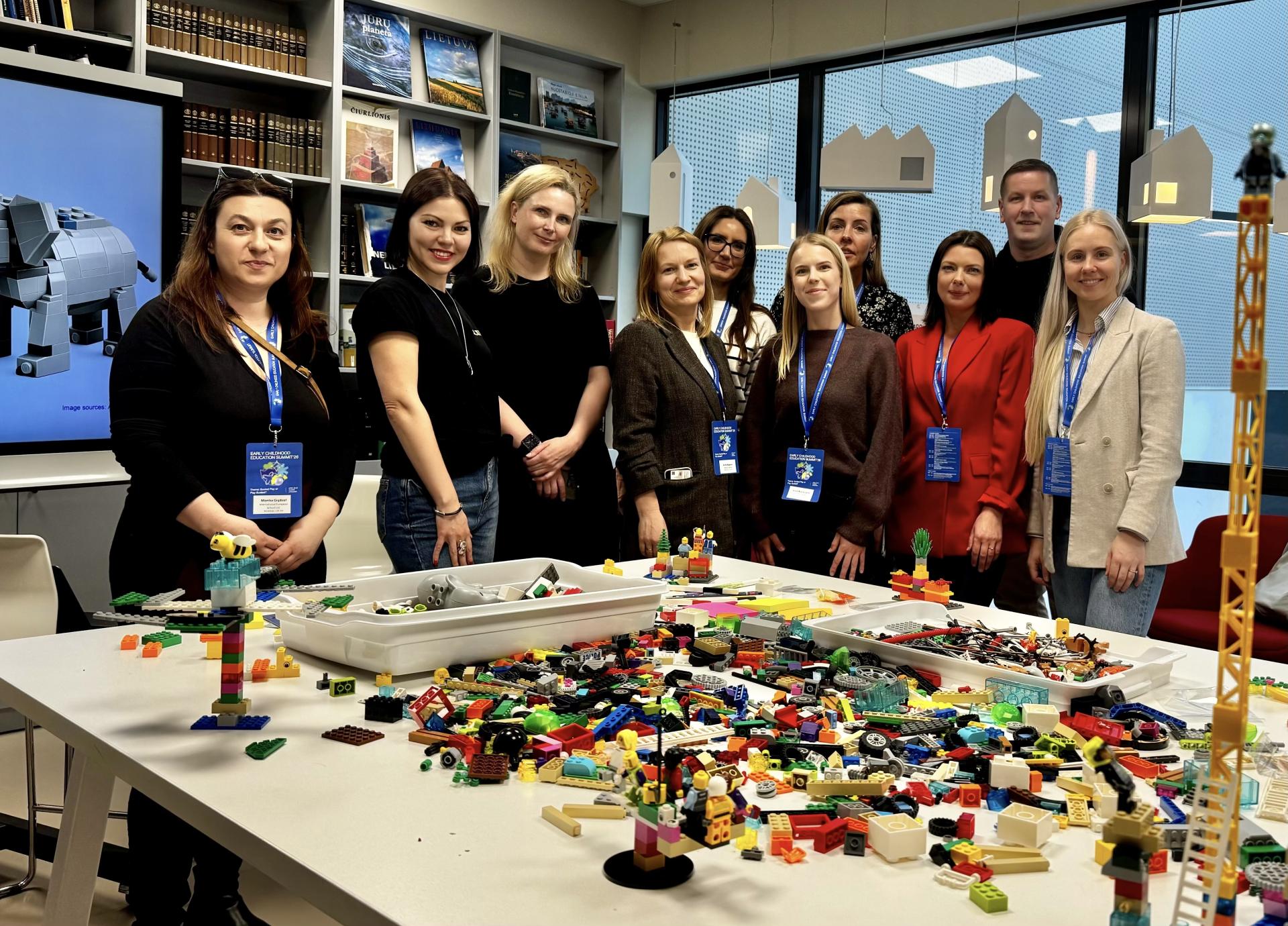
The Early Childhood Education Summit ’26, held in Vilnius, brought together early childhood education professionals, researchers, educational leaders, and community representatives from various European countries. The two-day conference invited discussions on one of today's most crucial questions: how to create high-quality early childhood education that harmonizes play, structure, teacher leadership, data-driven decisions, and modern technologies.
The conference was organized by LearnED Training Academy, which operates in the fields of professional development for educators, international training, and educational innovation. Key partners from the Lithuanian educational ecosystem—Karalienės Mortos mokykla and Vaikystės Sodas—also contributed to the creation of the event program.
This year’s theme, “Guided Play or Play Guided?”, invited participants to rethink the relationship between child-initiated play and the learning environment created by educators. Experts attending the conference shared practical insights, discussed common challenges, and sought solutions to help strengthen the quality of early childhood education across different countries.
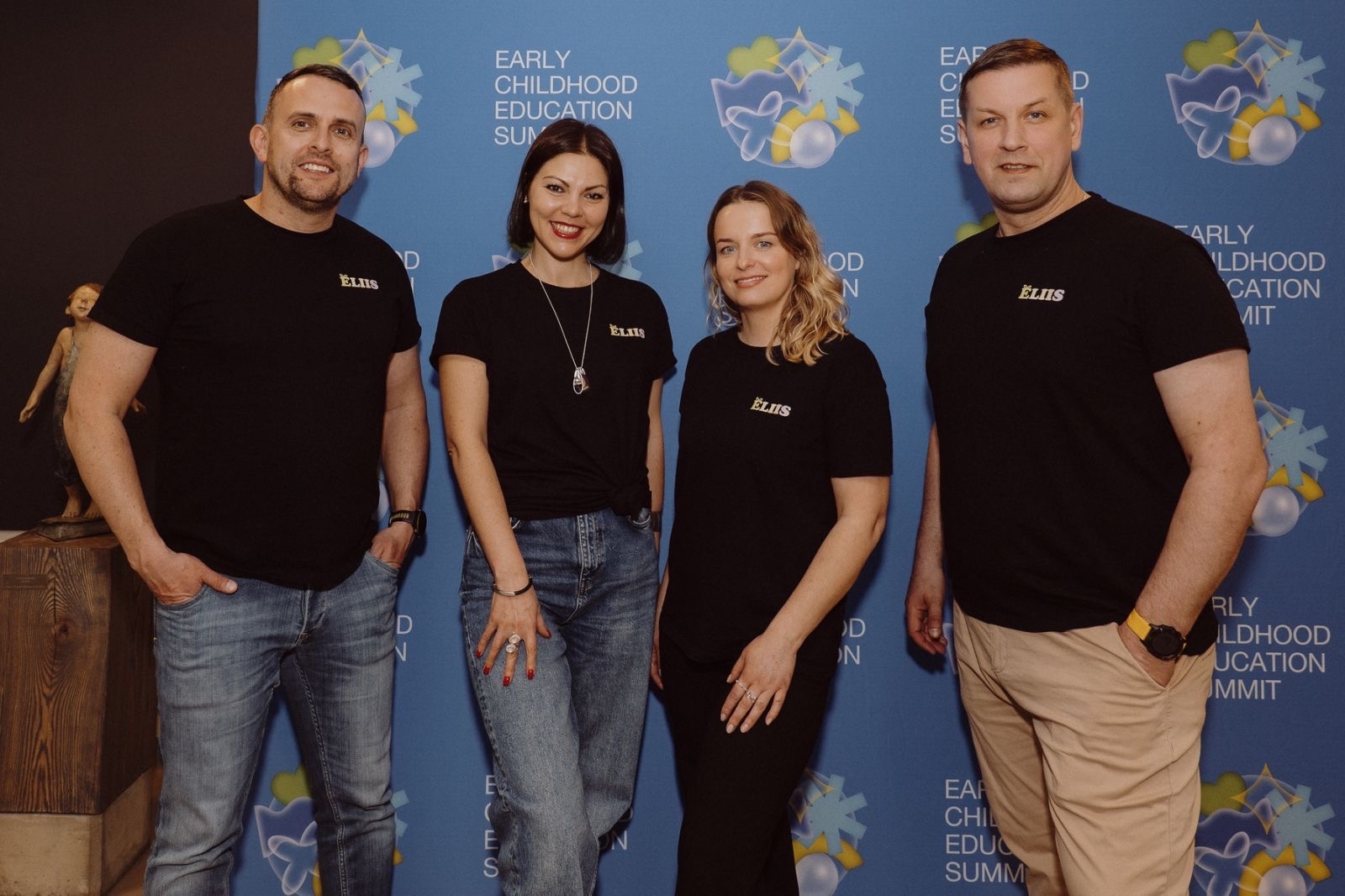
Among the event partners was ELIIS, contributing to the digitalization of education and innovations in learning processes. During the event, the ELIIS team interviewed conference speakers to capture their perspectives on core topics—the balance between play and structure, educational quality, the role of technology, and the responsibilities of the modern educator.
This article presents summaries of three interviews with key speakers: Marija Vyšniauskaitė, Šarūnas Dignaitis-Kerpė, and Randi Lauvland Sundby.
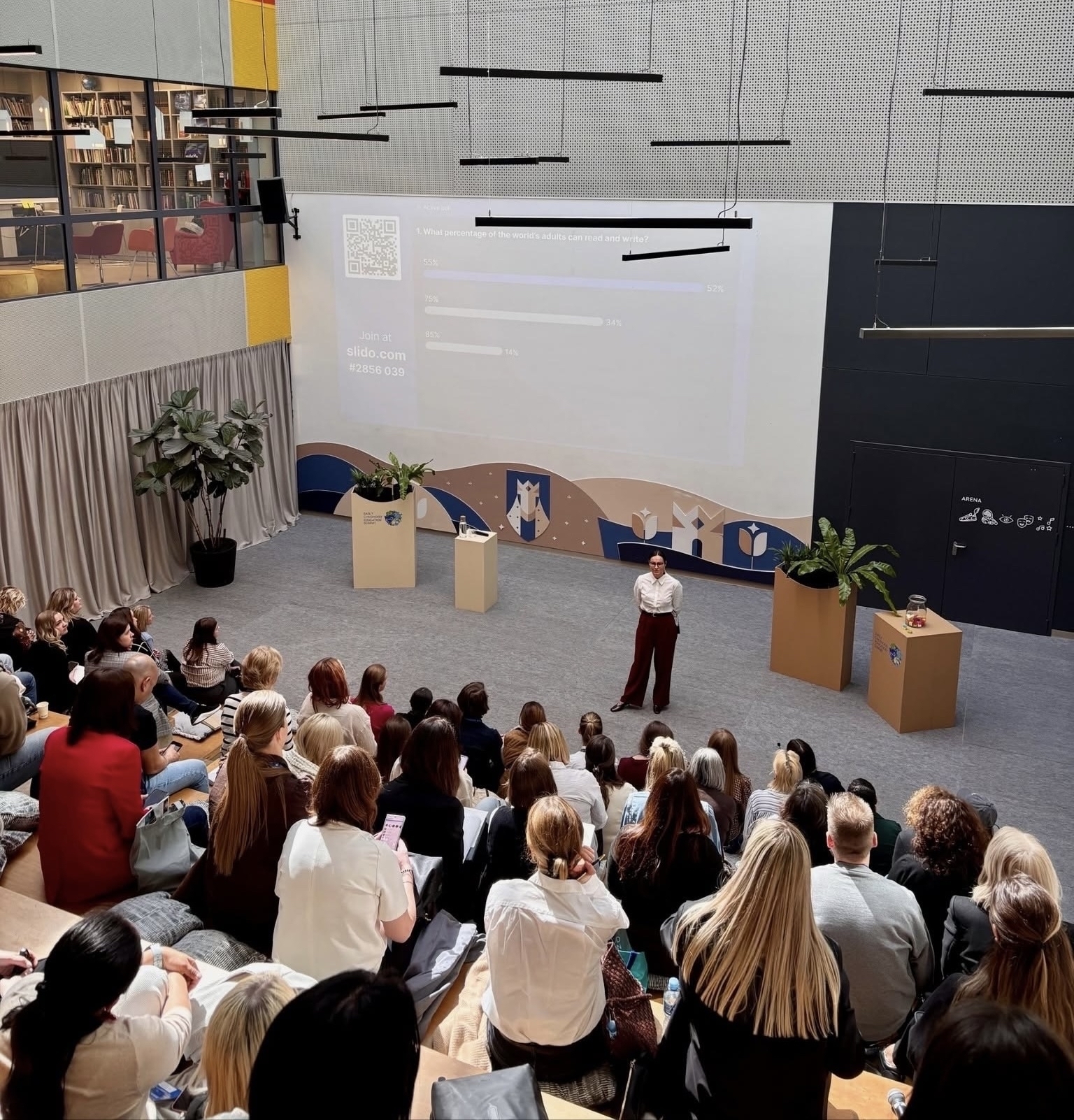
1. Marija Vyšniauskaitė: “Quality Education Doesn't Just Happen—It Is Created”
Marija Vyšniauskaitė is an educational leader with extensive experience in education, management, and curriculum development. She previously taught economics didactics at Vilnius University and is the author of two internationally recognized educational publications. Since 2023, Marija has been leading Vaikystės Sodas, where she successfully combines management and educational competencies to create quality-driven, structured, yet playful and engaging learning environments for children.
High Quality Education: High Expectations and Clear Structure
According to Marija, early childhood education is still often undervalued, even though fundamental child abilities are formed during this period.
“Immense processes take place in early childhood—not only are academic foundations formed, but socio-emotional competencies are as well. This is a stage that can determine how a child will succeed in school and in life in the future,” she emphasizes.
In her view, high-quality education is born when a balance is struck between clear structure and meaningful play.
Structure and Play: A Combination, Not an Opposition
Marija highlights that children need a clear daily structure, routine, and targeted learning, but play must not be abandoned in the process:
“Sometimes it is assumed that free play alone is enough, but that is not the case. A child also needs a facilitated environment where they learn intentionally, especially subjects like reading, which is not naturally innate.”
Educational Quality Must Be Measured
One of Marija's strongest points is data-driven education:
“If we want quality, we must measure it. We cannot rely solely on feeling or impression.”
At Vaikystės Sodas, educational processes are monitored systematically—from daily activities to children's achievements and family feedback.
The Role of Home: Simple, Yet Essential
Speaking about the continuity of education at home, Marija highlights one essential practice:
“Reading to a child is one of the most powerful things parents can do. Even if you have to read the exact same book dozens of times.”
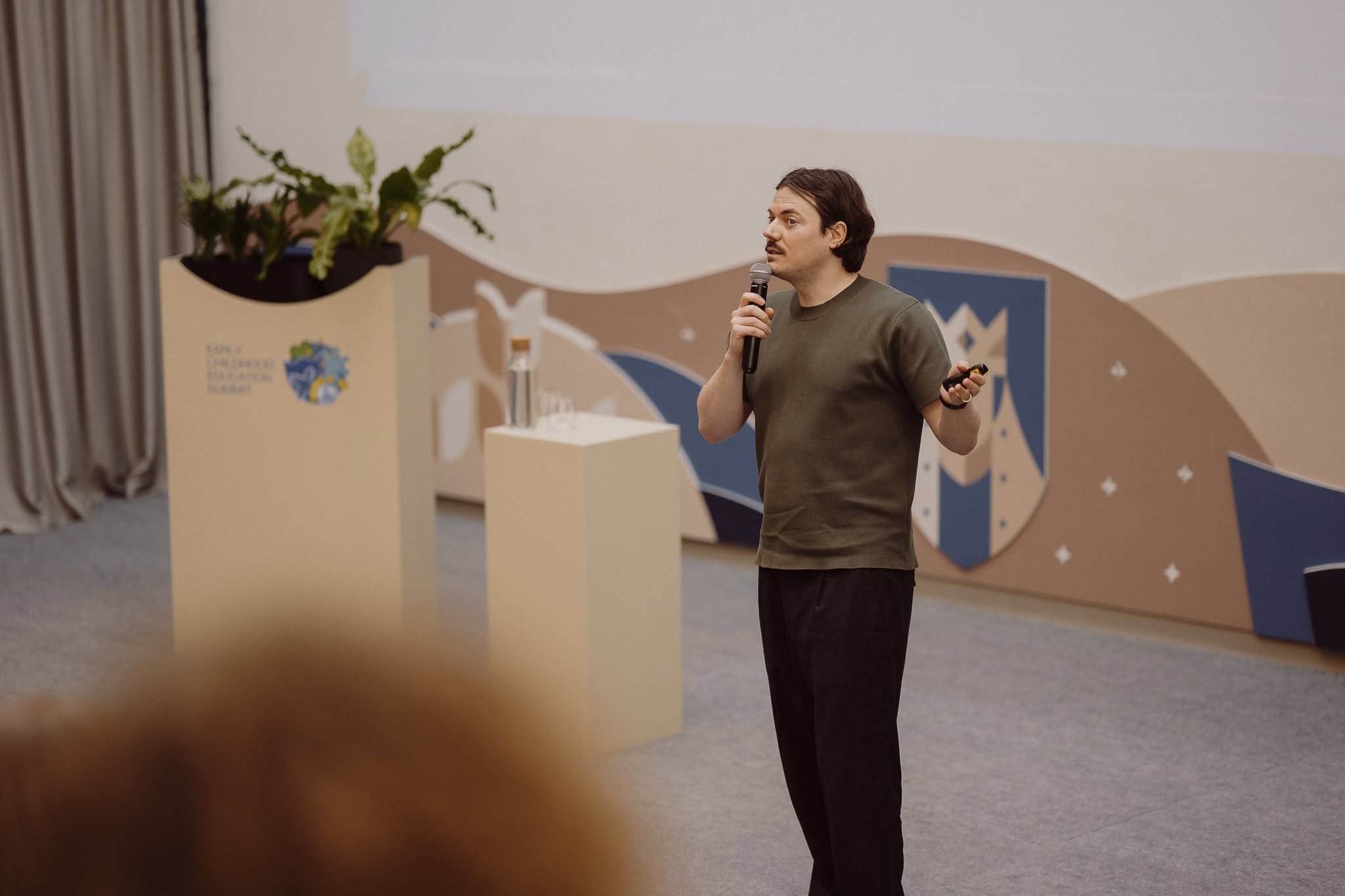
2. Šarūnas Dignaitis-Kerpė: “Technology Must Serve Education, Not Replace It”
Šarūnas Dignaitis-Kerpė is an education and technology expert with over a decade of experience in training, leadership, and the EdTech sector. He is the creator and host of the Žinių Radijas show "Technologijų žingsniu" (Stepping into Technology), actively analyzing the impact of technology on education, business, and society, and seeking ways for innovations to help build more effective learning environments.
Play Is Not a Break from Learning, But a Part of It
According to Šarūnas, one of the most important topics in today's early childhood education is understanding that play is not separate from the learning process. On the contrary, it can become a natural part of the learning cycle.
He references David Kolb's experiential learning cycle: individuals learn not just by listening, but through reflecting, experimenting, trying, and re-experiencing.
“With children, it is vital to maintain a balance between complete chaos and overly controlled play. The most valuable learning occurs where the child has the freedom to explore, but at the same time receives help from an adult to reflect and deepen the experience,” he stated.
According to him, this kind of “facilitated play” allows children not only to have fun, but also to naturally develop problem-solving, collaboration, and creativity skills.
How to Select Technologies That Offer Real Value?
New products and platforms constantly emerge in the educational market, but not all become long-term solutions. Šarūnas argues that educational institutions should not chase every novelty, but rather foster a healthy culture of testing.
“A school or kindergarten must have a stable foundation, but at the same time continually experiment in a small, safe space,” he explained.
According to the expert, it is crucial to:
Test new solutions in small phases;
Share experiences with other institutions;
Not be afraid to admit when something doesn't work;
Evaluate real utility rather than promises.
He also stressed the importance of community:
“Sometimes the best advice comes from other schools or kindergartens that have already tested a particular tool.”
Artificial Intelligence: An Assistant, Not a Decision-Maker
One of the topics receiving significant attention was artificial intelligence in education. Šarūnas believes AI can become a powerful assistant for educators, especially with repetitive tasks.
For example, AI can help:
Draft daily or weekly plans;
Prepare assignments for varying skill levels;
Generate quizzes and exercises;
Create visual learning materials;
Adapt content for children with special needs.
However, the expert emphasizes one critical element: critical thinking.
“A major mistake is accepting everything generated by artificial intelligence as absolute truth. Generative models sometimes make errors or deliver inaccurate information, so the teacher's competence remains indispensable.”
Technologies should aid the educator, not replace their professional judgment.
3. Randi Lauvland Sundby: “Quality Begins with a Child Feeling Valued”
Randi Lauvland Sundby is a Norwegian early childhood education expert and co-founder of the international kindergarten chain Dibber. Today, Dibber unites over 600 early childhood education centers across 10 countries. With more than two decades of experience, Randi focuses heavily not only on pedagogy, but also on organizational culture, leadership, and ensuring educational quality on an international scale.
Quality Is More Than Educational Methodology
When discussing quality early education, Randi stresses that it is not limited strictly to pedagogical techniques.
“Quality consists of many elements—leadership, financial stability, pedagogy, environment, and organizational culture. Without these elements, it is difficult to ensure sustainable growth and consistent education.”
In an international organization, quality does not happen by accident. It requires clear standards, continuous employee training, shared principles, and close communication between management and educational center teams.
A “Warm Culture” Is the Foundation of All Education
One of Randi’s core insights is that educational quality primarily stems from the relationship with the child.
“If a child feels valued, safe, and accepted, they can learn, grow, and confidently explore the world.”
Every child needs to feel seen and recognized as an important community member. Such an environment allows children not to fear making mistakes, to express their emotions, and to trust their own capabilities. This is why one of Dibber'sprimary core values is the belief that every child is valuable.
Play and Structure Must Work Together
Although Randi represents the Scandinavian educational tradition, she highlights that play-based learning is not a chaotic or unplanned process.
“Children learn through play, but that requires a clear pedagogical direction.”
In her view, effective education relies not only on moments of free exploration, but also on consistency—annual, monthly, and weekly plans, reflection, and the reinforcement of themes. This balance maintains children's curiosity while ensuring goal-oriented learning.
The Greatest Challenge: Demonstrating the Value of Play
Randi observes that in many countries, it is still necessary to explain to parents that play is not the opposite of learning.
“Some parents expect a more academic educational model, so it is important to rely on research and practical results that demonstrate how play-based learning helps children succeed academically in the future.”
The future of early childhood education lies in the ability to balance professional pedagogy, a clear structure, and a genuine human connection with every child.
The Conference's Overall Message: Quality Is Created Intentionally
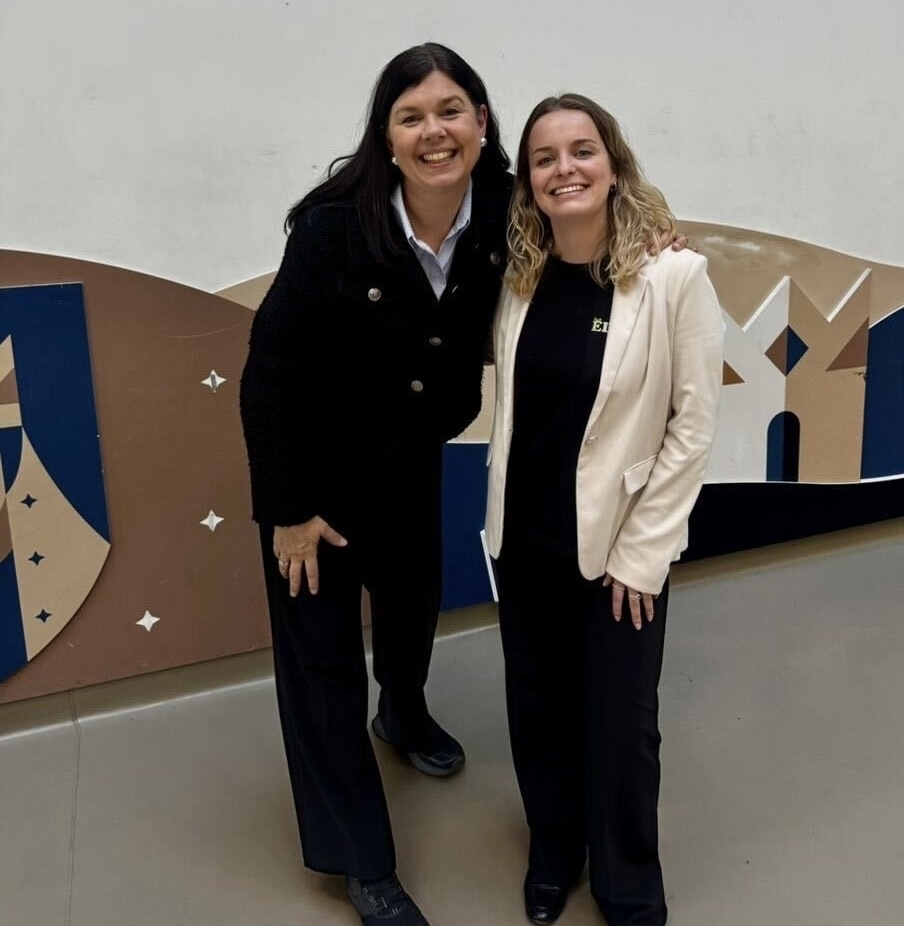
Although the summit's speakers represented different countries, organizations, and educational traditions, a shared direction emerged from their insights. Marija Vyšniauskaitė highlighted clear structure, high expectations, and data-driven solutions. Šarūnas Dignaitis-Kerpė spoke on the meaningful application of technology and the educator's role in evaluating innovations. Randi Lauvland Sundby reminded participants that the child, their emotional security, and their sense of belonging must remain at the heart of all educational decisions.
The Early Childhood Education Summit ’26 demonstrated that quality in early childhood education today is not confined to a single methodology or program. It is created by balancing play with targeted learning, relying on data and professional practice, while safeguarding what matters most—the human connection with the child. This approach enables the creation of an environment where children can grow up curious, secure, and ready for lifelong learning.
The organizers are already preparing for next year's event. For more information about Early Childhood Education Summit ’27, visit the LearnED Training Academy website: LearnED Training Academy