Sometimes, the most meaningful connections happen when you least expect them.
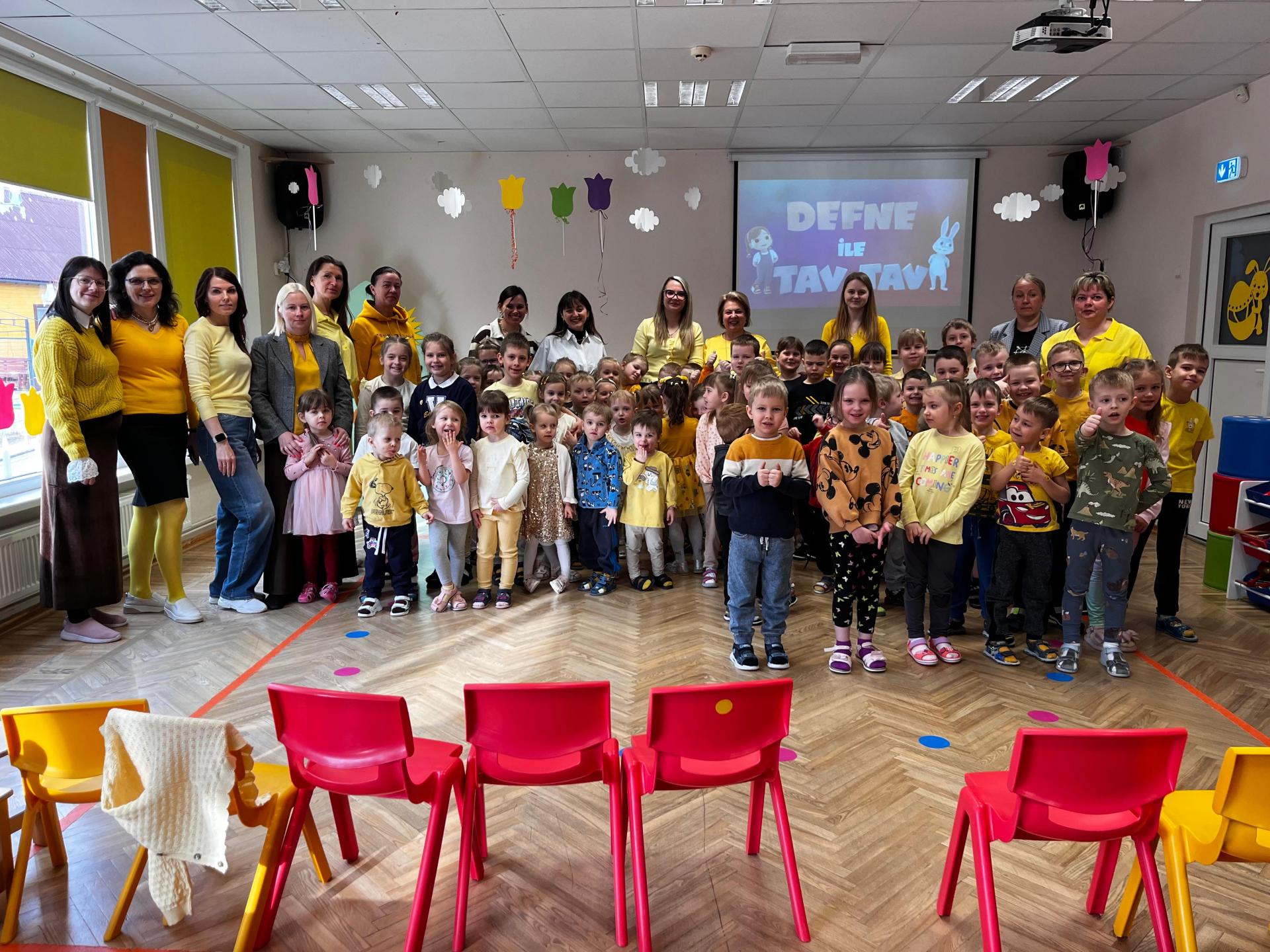
During an International Children's Protection Day event, I had the opportunity to lead a children's yoga session. Throughout the day, I met many wonderful children, educators, and families, but one encounter stood out.
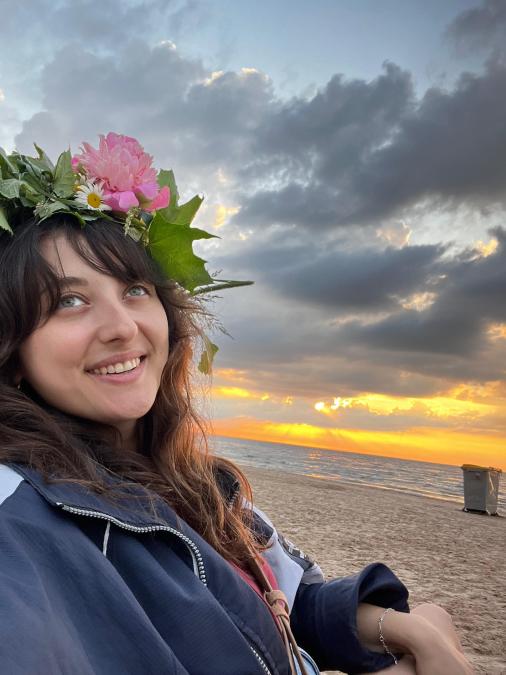
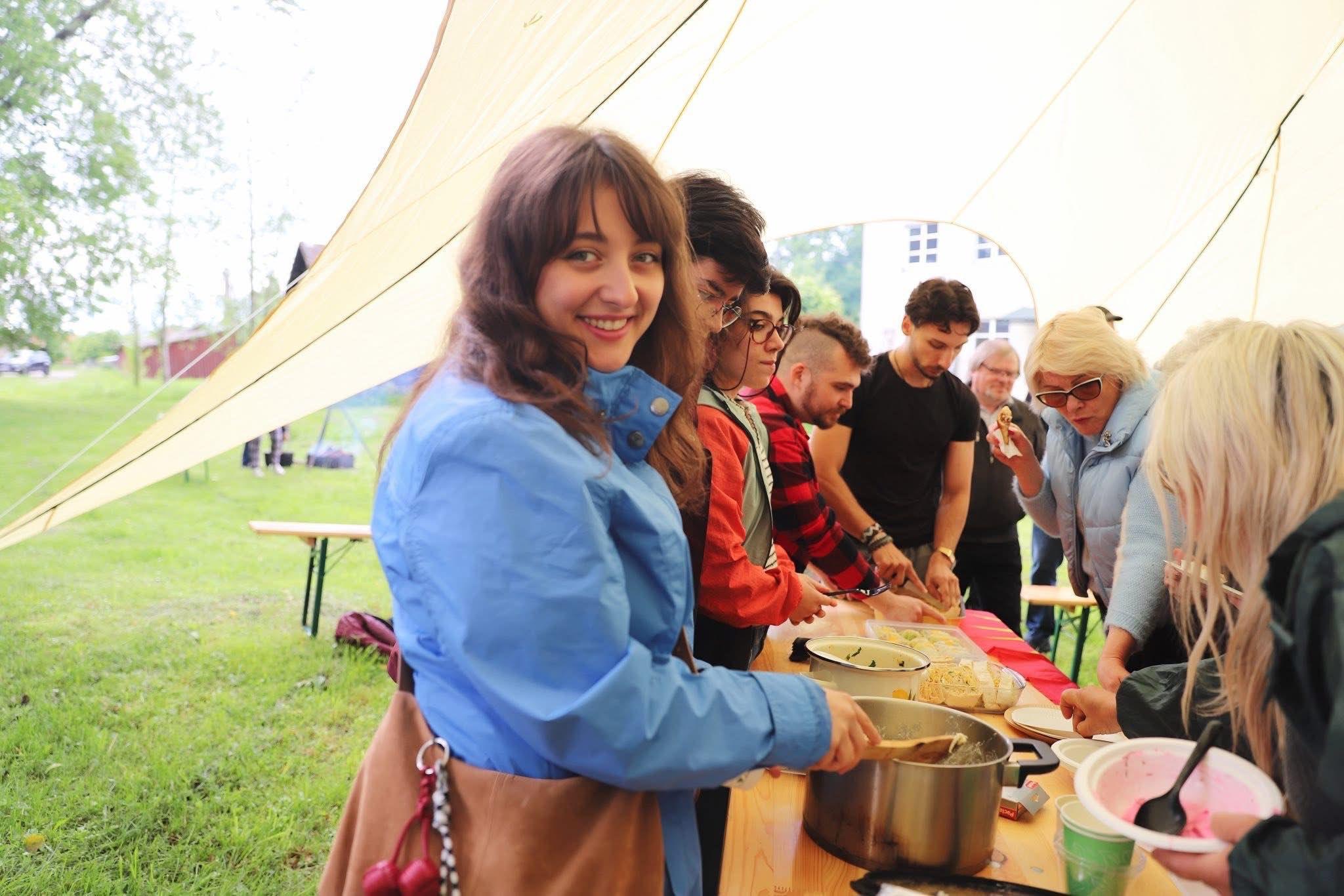
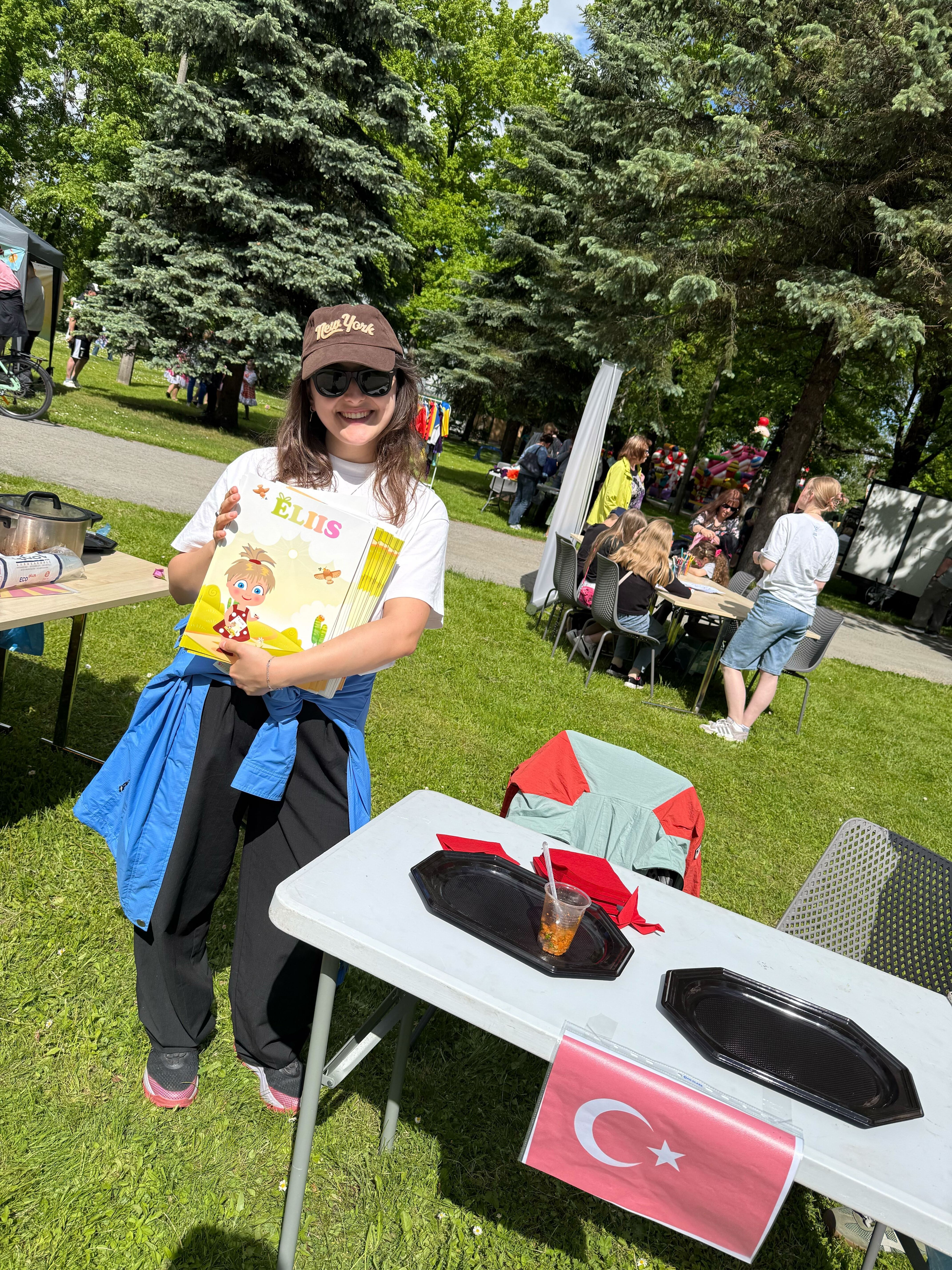
That was when I met Sedef – a warm, cheerful, and inspiring young woman from Türkiye. During our conversation, I learned that she is currently volunteering at "Namiņš" Preschool in Rēzekne, Latvia. We exchanged contact details, and I became curious to learn more about her journey to Latvia, her experience working in early childhood education, and her thoughts on the Latvian education system.
I invited Sedef to share her story with us.
How did you come to Latvia, and what brought you specifically to Rēzekne?
Sedef:
My name is Sedef. I was born in İzmir, Türkiye, in May 1997, where I lived before moving to Latvia. I am a preschool and special education teacher, and I have been working in this field for seven years. At the moment, I am volunteering as a preschool teacher at Namiņš Kindergarten in Rēzekne.
I came to Latvia through the European Solidarity Corps (ESC), a European Union programme that offers young people under the age of 30 the opportunity to volunteer in different European countries.
When I discovered that the programme offered a position directly related to my profession, I knew I couldn't miss the opportunity.
After graduating in Preschool Education, I completed a Master's degree in Early Childhood Education. I worked as a preschool teacher for four years before completing a long-term training programme in Special Education. During the last three years, I have worked in a rehabilitation centre, supporting and educating children with special educational needs.
I arrived in Rēzekne in January, and my very first impression was seeing everything covered in snow. I didn't really experience culture shock, but I definitely experienced climate shock!
I didn't specifically choose Namiņš Kindergarten. It was the only preschool in Rēzekne participating in an ESC project, which is how I eventually came here.
Before arriving, I knew very little about Latvia. I only knew that it is one of the Baltic countries located by the Baltic Sea.
When did you realize that you wanted to become a preschool teacher?
Sedef:
Honestly, when I was in high school, I didn't want to become a teacher at all. Later, my mother and the people around me encouraged me to study education, and I was accepted into the Faculty of Education.
During my internships, everything changed. Working with children made me fall in love with this profession, and I realised that this was the field where I wanted to continue growing.
Early childhood is one of the most important stages of a person's life. The experiences children gain during these years have a lifelong impact.
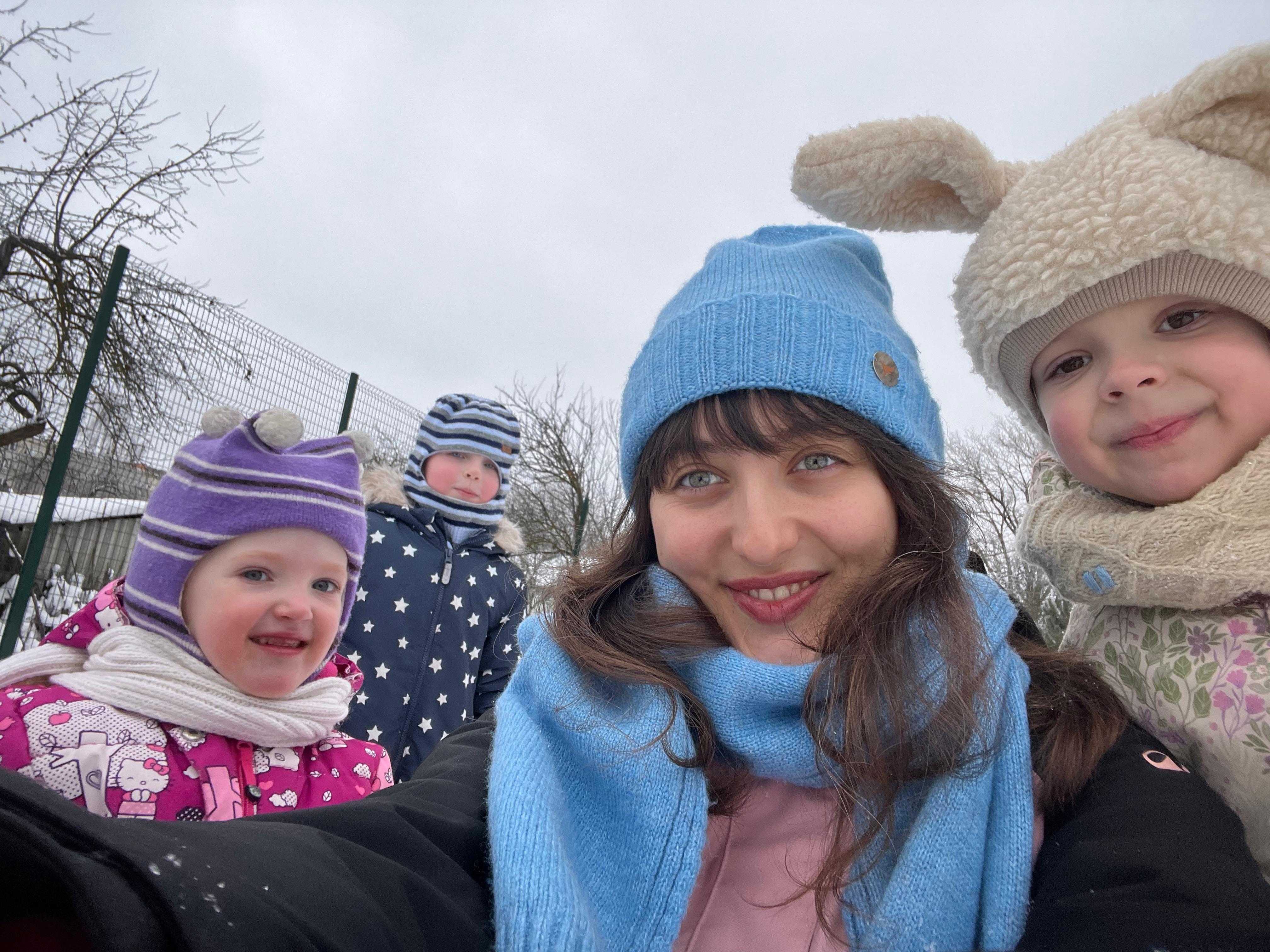
The more love, care, compassion, and guidance we provide during this period, the greater the chance that children will grow into confident, happy, and responsible adults.
That is my greatest motivation.
"If one child changes, the world changes."
Working with children inspires me to stay creative, productive, and continuously learn. They encourage me to grow alongside them every single day.
What differences have you noticed between preschools in Türkiye and Latvia?
Sedef:
There are quite a few differences.
In Latvia, children can attend preschool from as early as 18 months of age and receive full-day education and care free of charge. In Türkiye, children usually start preschool at the age of four or five, and full-day programmes are much less common. Only public preschools provide free education, while private preschools can be very expensive.
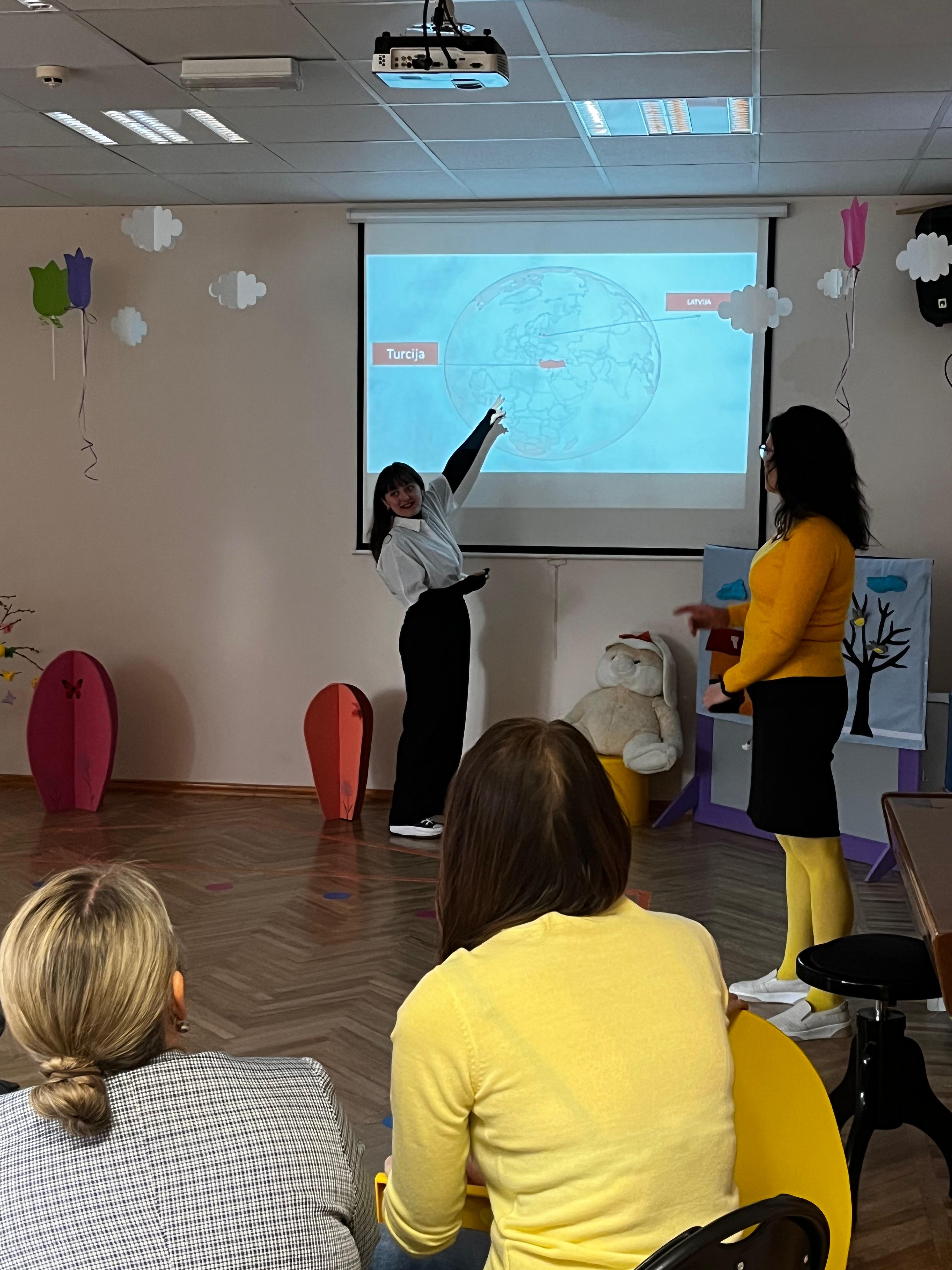
Another major difference is the educational approach.
In Latvia, teachers mainly guide and support children's learning. In Türkiye, teachers are generally more instruction-oriented and academically focused. We spend much more time teaching directly, leaving less room for free play and children's independent exploration.
One thing I would definitely take back to Türkiye is Latvia's play-based approach to early childhood education.
At the same time, I believe Latvia could benefit from the strong family involvement that is common in Turkish preschools, as well as from teachers' creativity in designing educational materials.
What do you think about the role of digital tools in preschool education?
Sedef:
Although I haven't personally worked with a fully integrated preschool management system, I am familiar with the different digital tools used in education.
In Türkiye, preschools often use smart boards, digital activity platforms, and communication systems between schools and families.
I believe digital tools are becoming increasingly important for both teachers and school management. They help with lesson planning, documenting children's development, communication, attendance tracking, reporting, and organising everyday work.
However, digital tools should support early childhood education, not replace it.
Their greatest value is reducing administrative work so teachers can spend more meaningful time with children.
I believe having one integrated system that combines child development records, communication with parents, planning, attendance, and daily information would be extremely valuable.
However, such a system must be user-friendly and flexible because preschool teachers have very limited time during the day to manage complicated digital workflows.
What has life in Latvia been like for you?
Sedef:
Before arriving, I expected to face a language barrier with Latvian. What surprised me most was discovering that Russian is also widely spoken in the eastern part of Latvia.
I communicate with the children in English and simple Latvian. I teach English to the older groups, while with younger children I try to work as a preschool teacher using basic Latvian.
With my colleagues, we mostly communicate in English. At first it was quite difficult because not everyone spoke English, but now we somehow always manage to understand each other. I often joke that we have developed our own "female language."
The children are always curious. They ask where I come from, what language I speak, and sometimes they even try to repeat words in Turkish.
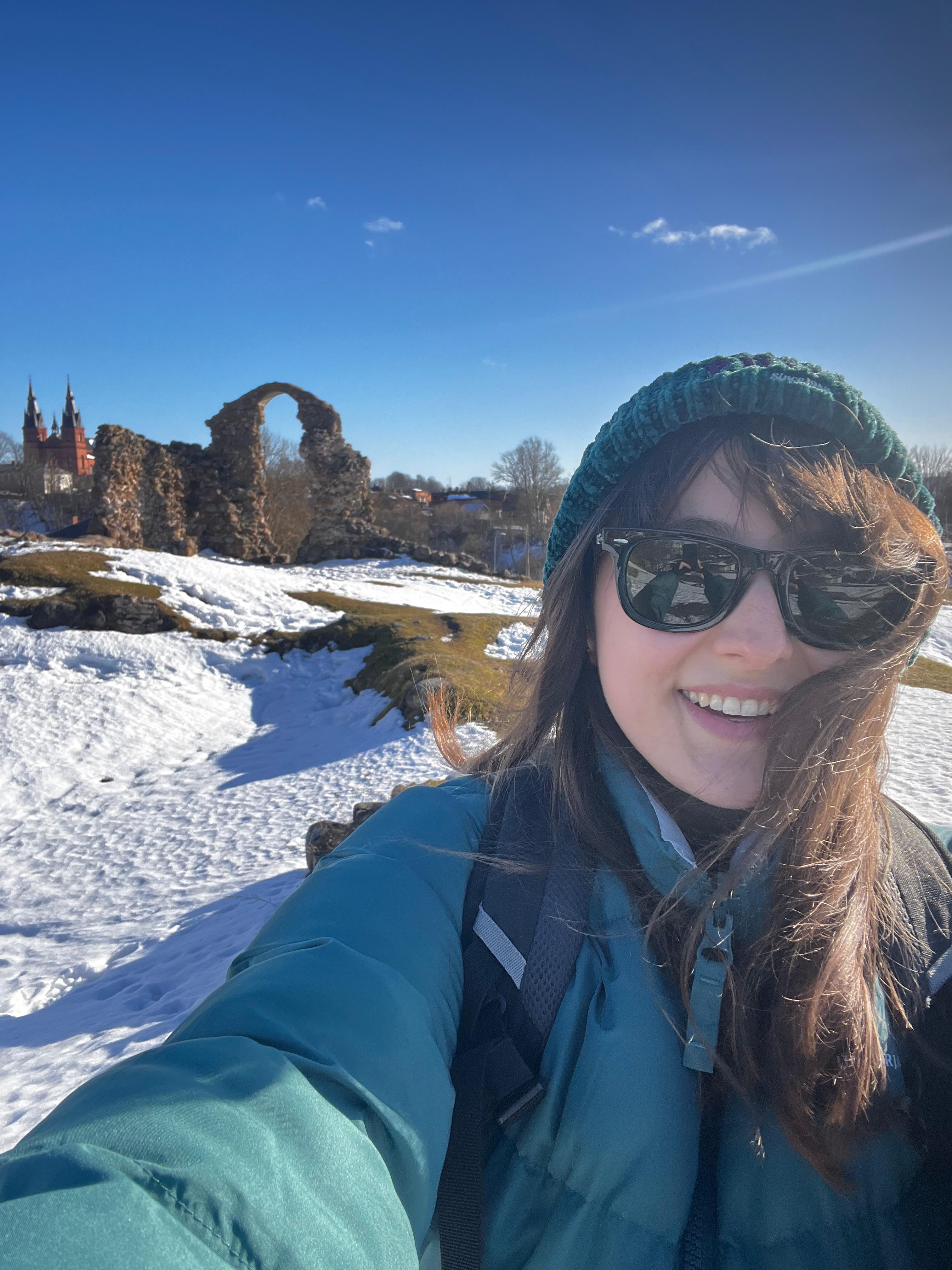
I have also fallen in love with Latvia's beautiful forests, lakes, peaceful atmosphere, traditional soups, and rye bread.
What advice would you give to other educators considering an international exchange experience?
Sedef:
I would encourage everyone to stay open-minded and patient. The beginning may feel challenging because of language and cultural differences, but with time everything becomes much easier.
When I return home, I will take with me not only professional experience but also a much deeper understanding of working in a multicultural and multilingual environment.
I have learned to adapt my teaching methods to different language levels and to communicate successfully despite language barriers.
This experience has made me more independent, patient, and flexible, and I know these skills will benefit me throughout my career.
Would you like to continue your journey in Latvia?
Sedef:
Absolutely.
If I have the opportunity, I would love to stay in Latvia after my project ends and continue working as a preschool teacher or in another education-related field.
If that is not possible, I plan to pursue a PhD, using everything I have learned in Latvia as a strong foundation for my future academic research and professional development.
Final Thoughts
Sedef's story reminds us that early childhood education has no borders.
Although Latvia and Türkiye are separated by thousands of kilometres, the passion for helping children grow, learn, and thrive is shared by educators everywhere.
Thank you, Sedef, for sharing your inspiring story. We wish you continued success, meaningful experiences, and exciting opportunities on your journey ahead.